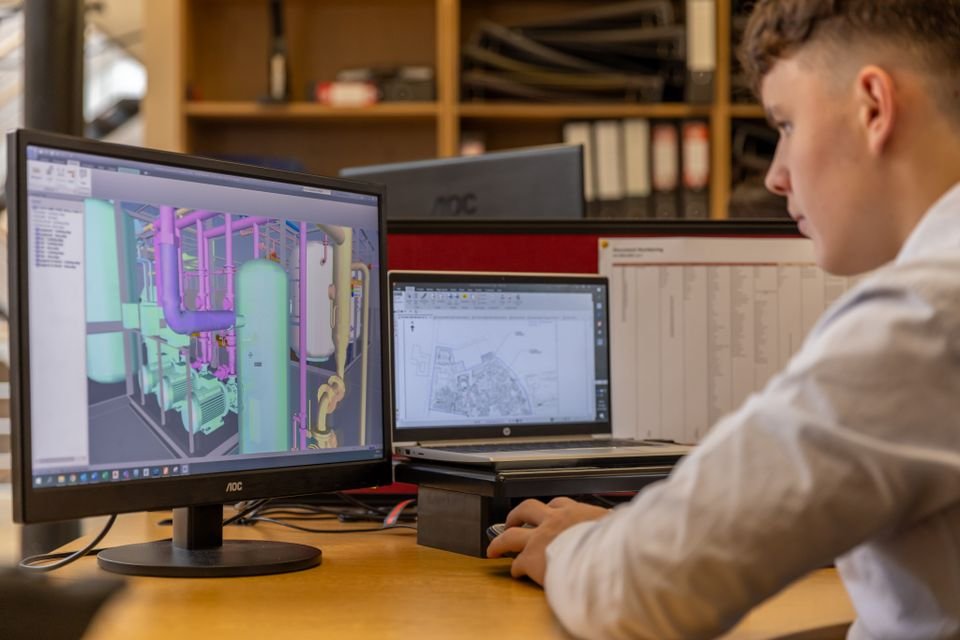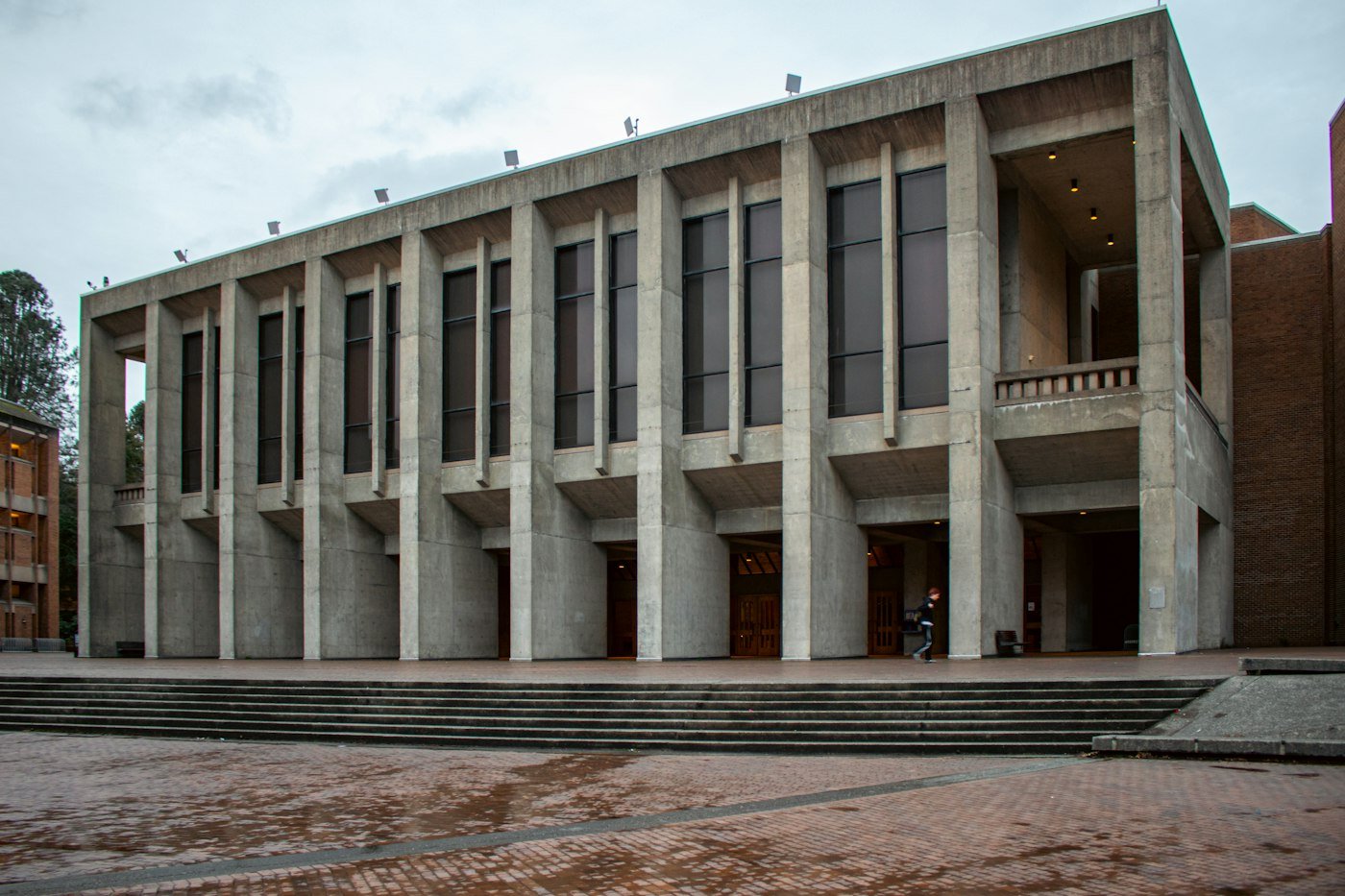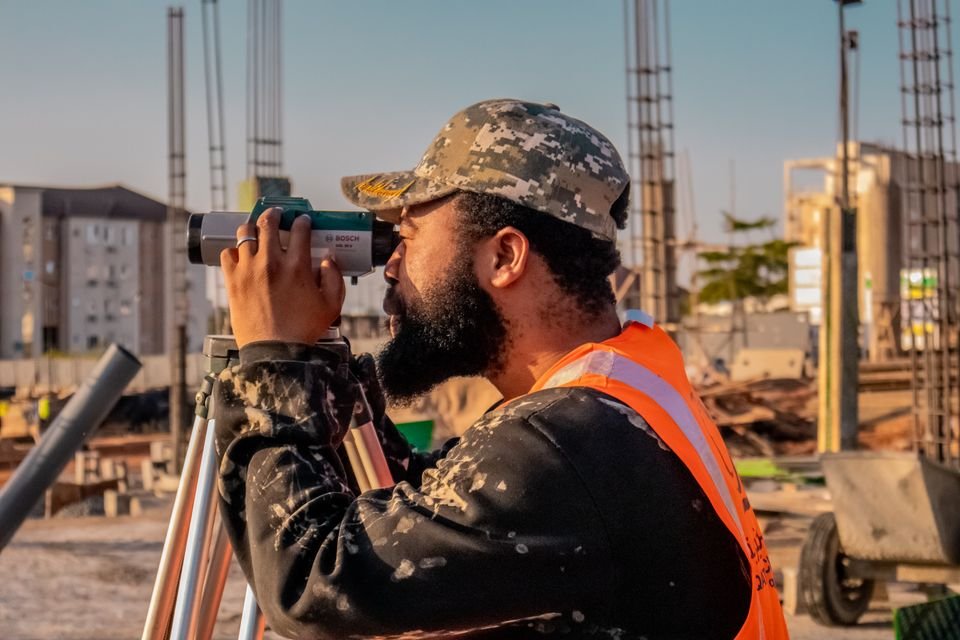
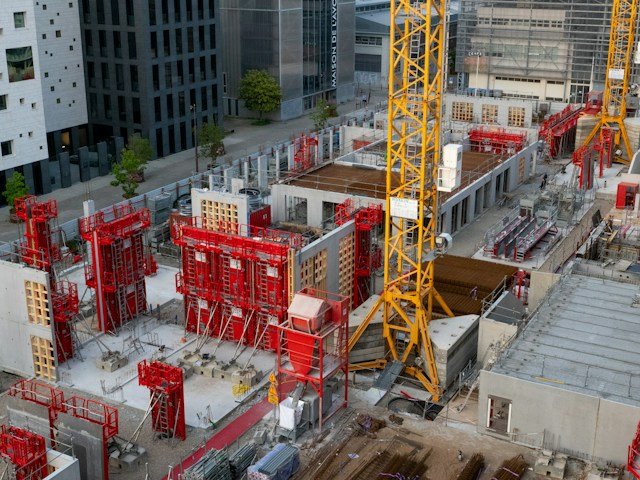
A clash report with three thousand items helps nobody. The value of clash detection is in what you run, what you ignore and how you hand the results to the people who fix them.
Before you run anything
- Agree shared coordinates and check every model aligns.
- Set tolerances per discipline pair, for example 25 mm for ductwork against structure.
- Exclude items that are not ready, such as hangers and insulation at early stages.
What to run
Start with the expensive clashes: structure against ductwork and large pipework. Then services against services, then services against ceilings and architecture. Group results by level and zone so each trade sees its own list.
Reporting clashes so they get fixed
Every clash needs a location, a screenshot, a responsible trade and a due date. Track status from meeting to meeting so closed items stay closed.
Conclusion
Run fewer, better tests, group the results and assign every issue. That is what turns a clash report into a coordinated model.